
Lessons Learned from the California Wildfires
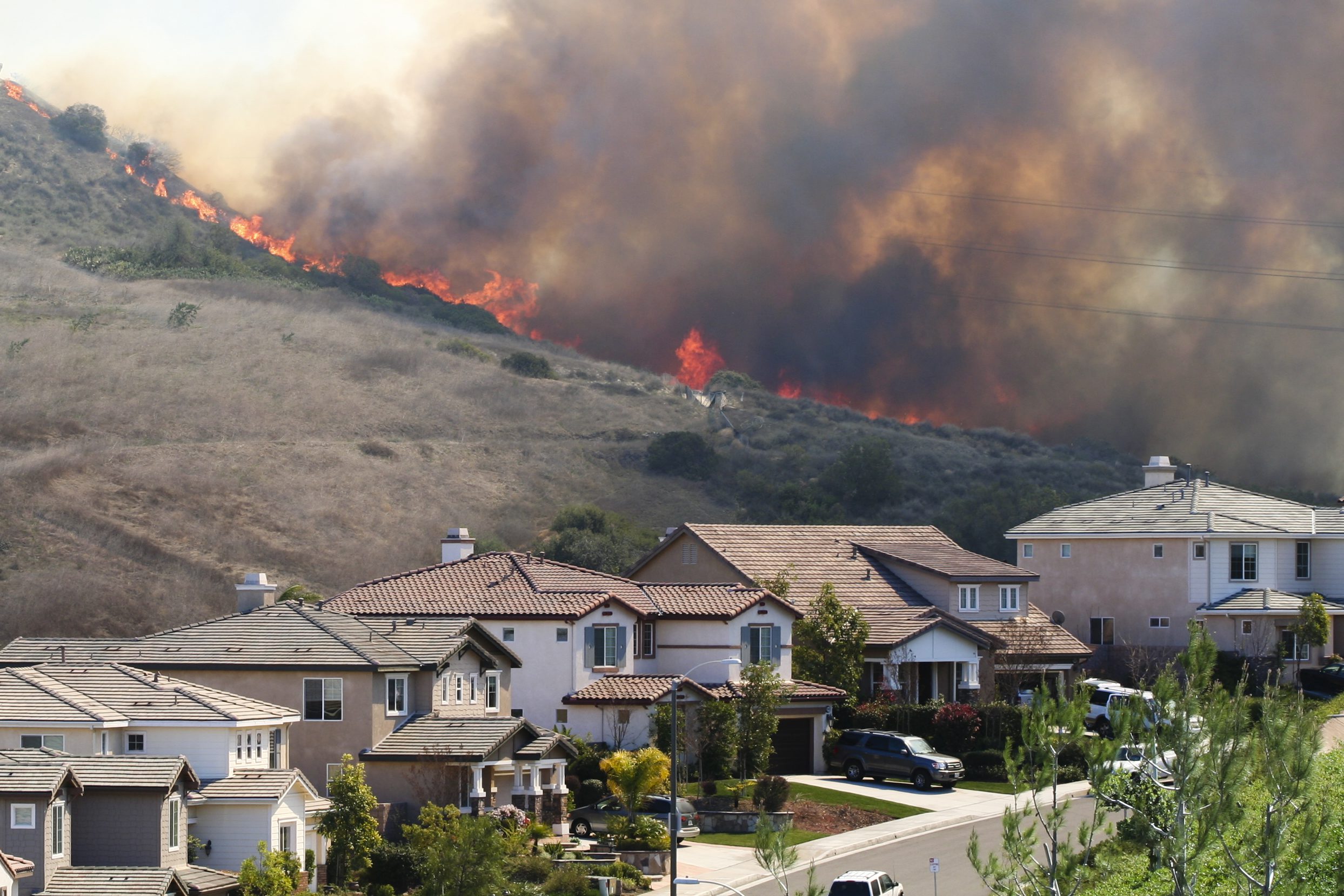
Enhancing Emergency Preparedness. California’s landscapes are as beautiful as they are volatile, with wildfires posing a perennial threat exacerbated by climate change, drought, and urban expansion. The 2025 Los Angeles wildfires, including the devastating Eaton and Palisades fires, scorched thousands of acres, destroyed over 10,000 structures, and claimed dozens of lives, marking one of the state’s most destructive events in recent history. These blazes, fueled by hurricane-strength Santa Ana winds and extreme dry conditions, highlighted critical gaps in preparedness while reinforcing proven strategies. Drawing from these and earlier fires like the 2018 Camp Fire in Paradise, which killed 85 people and leveled an entire town, we can distill actionable lessons to better protect lives, homes, and communities.
Here’s a breakdown of key insights to help individuals, communities, and policymakers build resilience.
1. Prioritize Personal and Family Preparedness. One of the most immediate takeaways is the need for every household to have a solid emergency plan. In the 2025 LA fires, many residents faced chaotic evacuations due to delayed or faulty notifications, underscoring that self-reliance can be a lifesaver. Start by assembling a “go-bag” with essentials like water, non-perishable food, medications, important documents, cash, and pet supplies—enough for at least 72 hours.
Practice your evacuation routes, designate meeting points, and sign up for all available alert systems, including reverse-911 and apps like AlertCalifornia. For vulnerable populations, such as the elderly or those with disabilities—who accounted for a disproportionate number of fatalities in both the Camp Fire and 2025 fires—create a support network or registry with local first responders to ensure assisted evacuation.
Lessons from survivors emphasize documenting belongings beforehand for insurance claims, as rebuilding often hinges on proving losses through photos and receipts.
2. Harden Homes and Create Defensible SpaceWildfires don’t discriminate, but prepared properties survive better. The Camp Fire revealed how suburban designs with close-set homes and flammable vegetation amplified destruction, while “home hardening” techniques—like using fire-resistant roofing, tempered glass windows, and ember-resistant vents—can make a structure up to 60% more likely to withstand flames. In the 2025 fires, uncleared brush on private lands contributed to rapid spread, highlighting the need for year-round maintenance.Maintain a 100-foot defensible space around your home: Clear dead vegetation within 5 feet, space out plants in the next 30 feet, and reduce fuels up to 100 feet out. Communities should enforce stricter codes, as Paradise did post-fire, requiring separations between buildings and ongoing weed abatement. Innovative approaches like using goats for grazing have cleared thousands of acres cost-effectively in rebuilt areas. For new builds, prioritize ignition-resistant materials from the start to avoid costly retrofits.
3. Improve Evacuation Systems and Alerts. Evacuation failures have been a recurring theme. During the Camp Fire, extreme winds and falling debris turned roads into death traps, with traffic jams stranding people in their vehicles. In 2025, mobile alerts were unreliable—some residents got no warnings, others false ones, and delays in areas like West Altadena may have cost lives. Winds over 80 mph grounded aircraft, stretching ground resources thin across fires 40 miles apart.To address this, invest in redundant systems like sirens, which Paradise installed post-fire with backup power for reliable, unambiguous signals. Phased zoning, as attempted in Paradise’s revised plans, helps manage traffic flow. Communities should conduct regular drills, including for those with mobility issues—such as wheelchair users who faced barriers in 2025 evacuations. Governments must overhaul notification tech for better coordination, as LA County vowed after the fires.
4. Focus on Prevention Through Fuel Management and Infrastructure. Prevention remains the most effective strategy. Decades of fire suppression have led to fuel buildup in California’s chaparral, turning minor ignitions into infernos under drought conditions. The 2025 fires likely started from power lines, a common culprit responsible for 10% of wildfires. Santa Ana winds and no rain since April 2024 amplified the spread.
Recommendations include aggressive vegetation management: Aim for 500,000 acres of controlled burns annually, as per state goals, to reduce fuels by up to 60%. Utilities should bury lines, implement shutoffs during high-risk weather, and remove decommissioned infrastructure. Avoid expanding into wildland-urban interfaces (WUIs), where 80% of destruction occurs, by reforming zoning to encourage urban density. Climate change narrows safe burn windows, so integrate tech like fast-trip systems for power grids.
5. Strengthen Community and Government Response. Fires test coordination. In 2025, budget cuts left fire vehicles sidelined, and water systems failed due to high demand and offline reservoirs. The Camp Fire showed the value of pre-event drills and data infrastructure for rapid response. Programs like Community Emergency Response Teams (CERT) empowered residents to aid neighbors during chaos. Build resilient infrastructure: Separate fire hydrants from potable water systems and use thermal imaging to monitor contained fires. Interstate exchanges, like Australia’s with California, share best practices in prevention and recovery. Prioritize funding for fire services over less critical areas.
6. Streamline Recovery and Build Back Better. Recovery is a marathon. One year after the 2025 fires, over 1,100 rebuilding permits were issued, but barriers like permitting delays persist. Insurance issues, with non-renewals in high-risk areas, compound the pain—reform regulations to align premiums with risks and incentivize hardening. Paradise’s model includes expedited permits and community rebuilding events to foster social ties.Governments should fast-track approvals, provide financial aid like tax relief, and integrate lessons into new laws, as California did post-2025. Focus on mental health, as wildfires spike PTSD and depression rates. In a state where wildfires are inevitable, preparedness turns potential tragedy into manageable challenges. By applying these lessons—from personal go-bags to systemic fuel management—we can reduce risks and rebound stronger. Stay informed, stay ready, and let’s work together to fireproof our future.