

H2O ACQUISITION
Survival Water Acquisition: Your Guide to Emergency Water
Water is essential for survival. In the wilderness, knowing how to find and purify water can mean the difference between life and death. Whether you’re hiking, camping, or facing an emergency situation, understanding water acquisition techniques is vital. Here’s a comprehensive guide to help you secure this precious resource.
Understanding the Importance of Water
The human body can only survive a few days without water. Hydration is crucial for maintaining bodily functions, regulating temperature, and ensuring mental clarity. In survival situations, always prioritize finding water.
Identifying Water Sources
1. Natural Sources
- Rivers and Streams: Flowing water is often the safest option, as it’s less likely to be contaminated. Look for water that flows swiftly.
- Lakes and Ponds: These can provide water, but be cautious, as they may harbor bacteria and pollutants. Always purify before drinking.
- Rainwater: Collecting rainwater is one of the safest methods. Use a clean container or a tarp to funnel rain into a larger vessel.
- Snow and Ice: Melt snow or ice to collect water, but ensure it’s adequately heated to avoid hypothermia.
2. Less Obvious Sources
Plants: Certain plants can provide moisture:
- Cacti: The fleshy pads contain water, but be cautious of spines and toxins.
- Green Vegetation: Many plants, like wild cucumber, contain water-rich flesh.
Ground Water: Digging a shallow hole in sandy soil can lead to groundwater. Look for damp areas, especially in low-lying spots.
Morning Dew: Collect dew from grass or leaves using a cloth, which can then be wrung out into a container.
Public Utilities: A sillcock wrench is a specialized tool designed to operate public outdoor water faucets or valves. Typically found on outdoor commercial buildings on the exterior. The sillcock wrench allows access to this water source.
Purifying Water
Finding water is only part of the equation; purifying it is essential to ensure it’s safe to drink. Here are several methods to purify water:
1. Boiling
- Method: Bring water to a rolling boil for at least one minute (three minutes at higher altitudes).
- Effectiveness: Boiling kills most pathogens, including bacteria, viruses, and parasites.
2. Filtration
- Commercial Filters: Portable water filters can remove most contaminants and are an excellent choice for backpackers.
- DIY Filtration: Create a filter using layers of sand, charcoal, and gravel. Pour the water through to remove sediment and some pathogens, but remember to purify it afterward.
3. Chemical Purification
- Iodine Tablets: These can effectively kill bacteria and viruses. Follow the package instructions for proper dosage.
- Bleach: Regular unscented bleach can be used (2 drops per quart). Let it sit for 30 minutes before drinking.
4. Solar Purification
- Solar Still: A solar still can be created using a clear plastic sheet over a hole filled with contaminated water. As the sun heats the water, it evaporates and condenses on the sheet, collecting pure water at the bottom.
Water Conservation Tips
In a survival situation, it’s essential to conserve your water supply:
- Limit Activity: Avoid strenuous activities during the hottest part of the day to reduce water loss.
- Stay Cool: Find shade or cover to reduce sweating.
- Use Less Water: Ration your water and avoid unnecessary uses, like washing clothes.
Conclusion
Water is a vital resource in survival scenarios, and knowing how to find and purify it can significantly increase your chances of staying safe and healthy. By identifying potential water sources, employing effective purification methods, and practicing water conservation, you’ll be well-equipped to handle any wilderness adventure or emergency. Always remember: in the wild, your first priority is to secure safe drinking water. Stay prepared, stay hydrated, and thrive in the great outdoors!
About the Author
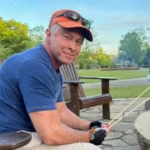
William W. Petit
William W. Petit is a retired United States Air Force Command Pilot and decorated officer, having served as a Lieutenant Colonel and Instructor Pilot.
He earned his Bachelor of Science in Aerospace Engineering from Auburn University in 1989. He later completed an MBA to complement his technical and leadership background.
Following his military career flying for the USAF, he transitioned to civilian life as a retiree. His contributions to his alma mater include support for the William W. Petit Endowed Scholarship and the Lt. Col. William W. Petit Aerospace Research Laboratory at the Auburn University College of Aerospace Engineering, aiding future aerospace students.
Petit exemplifies the blend of rigorous engineering education, operational expertise in aviation, and business acumen developed through dedicated service and advanced studies.
He and his wife own and operate LIMA-TANGO as a small, family business from their home.