
Lessons Learned from the NC Floods
Lessons Learned from the NC Floods: Building Resilience in an Era of Extreme Weather
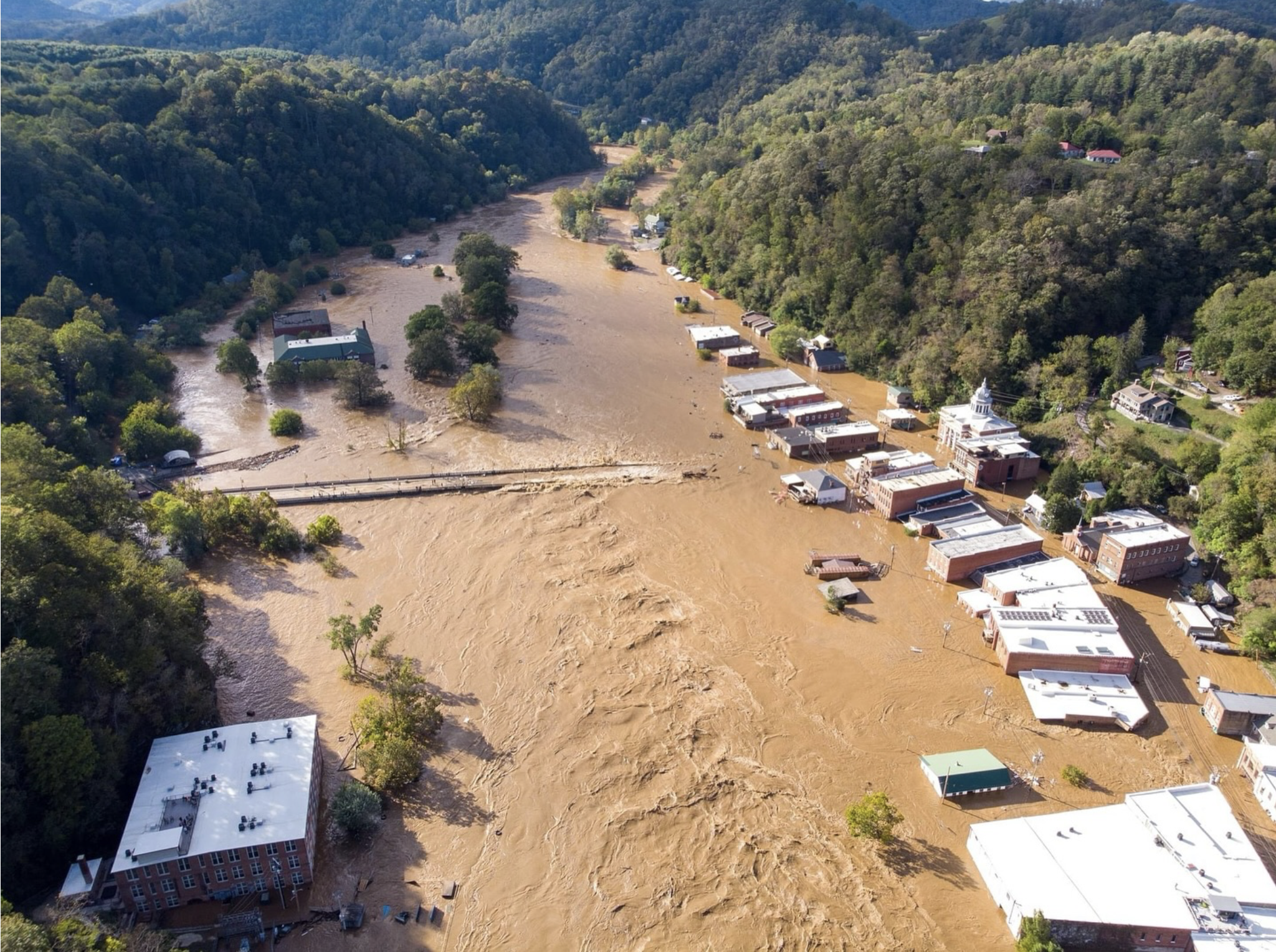
North Carolina has faced devastating floods in recent years, most notably from Hurricane Helene in September 2024 and the remnants of Tropical Depression Chantal in 2025. Helene, in particular, delivered a historic blow to Western North Carolina, with record rainfall triggering catastrophic flooding, landslides, and over 100 deaths—making it one of the deadliest and costliest storms in the state’s modern history.
Total damage estimates exceeded $59 billion. Entire communities were isolated, infrastructure was destroyed, and recovery continues today. These events offer painful but valuable lessons for individuals, communities, and policymakers.
1. Extreme Weather Events Are Becoming More Intense and Unpredictable
Helene dumped up to 30 inches of rain in mountainous areas, causing 1,000-year flood events in several counties. Even areas far from the coast, like Asheville in the Blue Ridge Mountains, suffered immensely.
Lesson: Weather cycles can fuel stronger storms with heavier rainfall. Inland and mountainous regions are vulnerable to tropical systems that stall and dump massive moisture.
Communities must update flood maps and risk assessments to reflect current realities, not just past events.
2. Flood Insurance Is Critical — And Woefully Underutilized
In hardest-hit areas like Buncombe County, less than 1% of homeowners had flood insurance. Many assumed mountain living protected them from flooding.
Lesson: Standard homeowner’s insurance rarely covers floods. The National Flood Insurance Program (NFIP) exists for a reason. Low uptake, especially in non-coastal areas, left thousands with uninsured losses estimated in the billions.
Action step: Check your flood risk (even if elevated), consider NFIP or private flood insurance, and advocate for better mapping that incorporates future climate projections.
3. Preparedness Must Go Beyond “Grab a Bag”
Survivors emphasized the need for:
- Go-bags, survival and bug-out bags with cash, medications, important documents, and chargers.
- Multiple communication plans (cell service and power failed for weeks).
- Community networks — neighbors checking on each other.
Lesson: Individual preparedness saves lives, but isolation amplifies suffering. In Helene’s aftermath, some areas relied on pack mules and handwritten notes for coordination because modern systems collapsed.
4. Infrastructure and Building Standards Need Urgent Upgrades
Many roads, bridges, and water treatment facilities failed. Older building codes in Western NC contributed to widespread destruction, especially for mobile homes.
Lesson: Mitigation pays off. Studies show every dollar spent on mitigation can save $6 or more in future damages. Adopting stronger building codes saves even more.
Raising homes, improving drainage, cleaning gutters, and directing downspouts away from foundations are simple but effective steps. Larger-scale investments in resilient infrastructure (elevated roads, better culverts, green infrastructure like wetlands) are essential.
5. Warning Systems and Communication Save Lives — When Done Right
Research on Helene showed National Weather Service messages were more effective when they included clear, specific actions. Rural vs. urban disparities in impact highlighted gaps in reaching vulnerable populations.
Lesson: Early, frequent, and actionable warnings matter. Local agencies can improve by modeling best practices from the NWS. Backup power for critical systems and redundant communication methods (satellite, radio) are non-negotiable.
6. Recovery Is Long and Requires Resilience, Not Just Restoration
Rebuilding “as it was” sets communities up for repeated failure. Experts stress “building back better” with resilient designs. Recovery costs rise quickly due to labor and material shortages.
Lesson: Speed matters, but quality and resilience matter more for long-term success. Prioritize hazard mitigation grants, elevate structures in flood zones, and protect natural buffers like floodplains and forests.
Community organizations and volunteers played huge roles in Helene recovery, showing the power of local and nonprofit partnerships alongside government aid.
Moving Forward: Hope Through Action
The floods in North Carolina have been heartbreaking, but they also revealed incredible community strength — neighbors helping neighbors, volunteers clearing debris, and innovative recovery efforts.
The core takeaway is clear: We must shift from reactive disaster response to proactive resilience-building. This includes personal preparedness, updated infrastructure, smarter land-use policies, and honest conversations about climate risks.
Whether you’re in the mountains, Piedmont, or coast, these lessons apply. Review your emergency plan today. Support local resilience projects. And push leaders to invest in mitigation now — before the next storm hits.