
Preparing For and Surviving Floods: Before, During, and After
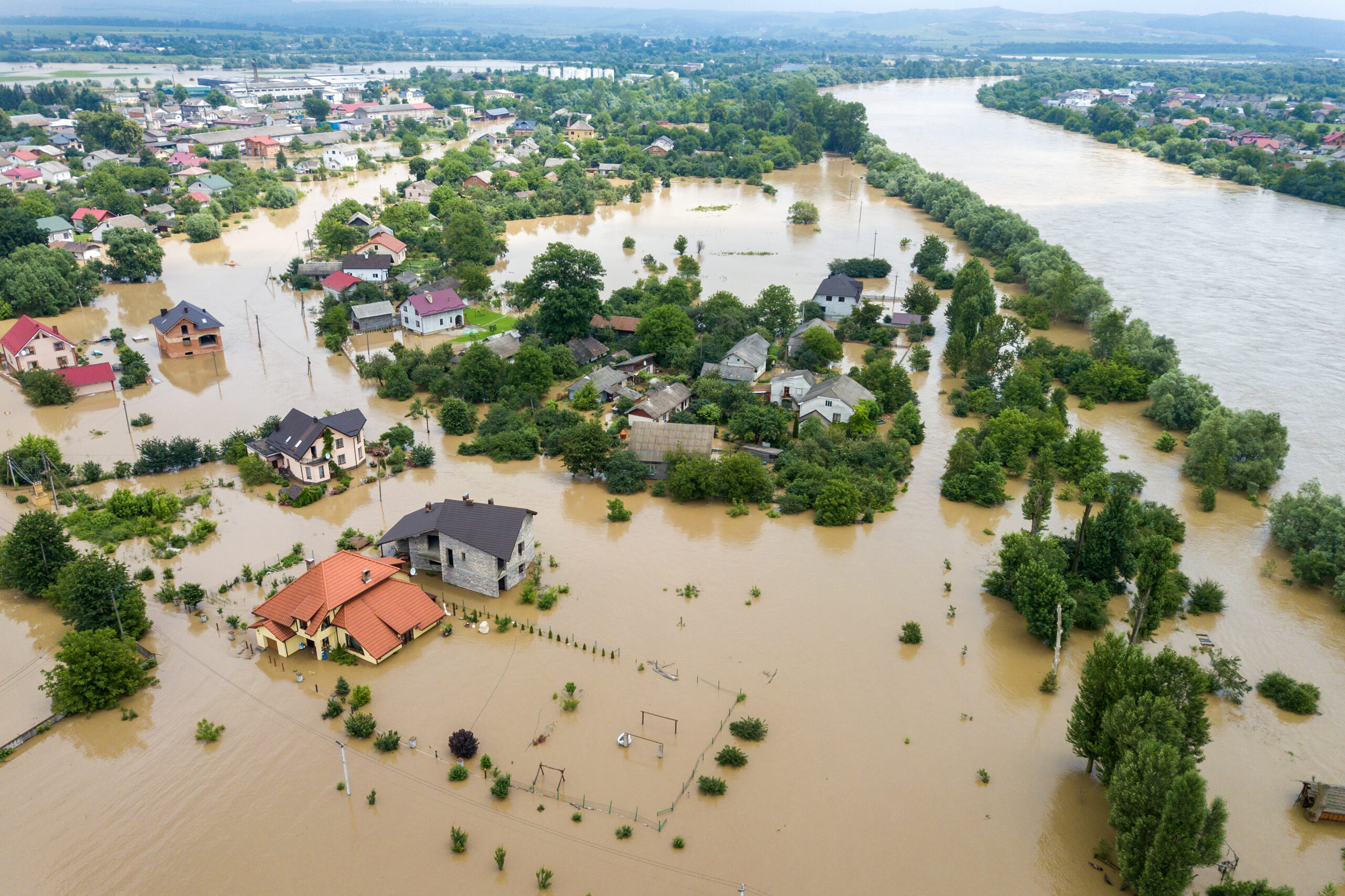
- Preparation is key to surviving a flood, including practicing evacuation routes and making your home flood-resistant.
- Sourcing reliable information before, during, and after a flood can help you understand what your options are.
- Access to quality emergency supplies can make all the difference when attempting to ride out a flood event.
Flooding has increased exponentially across the U.S., especially in recent years. From 2020 to 2023, FEMA declared 80 major flood disasters, with multiple billion-dollar catastrophes. And 2025 set an all-time record, with over 5,000 flash flood warnings issued by the National Weather Service.
With a warming climate bringing in heavier precipitation, especially from the Atlantic, residents in both coastal and inland areas need to prepare for more flood events to minimize casualties and damages.
Here’s a comprehensive flood survival guide, including measures you can take, before, during, and after a flood event to protect your family and property.
Before a Flood
The prep you put in before a potential flood could mean the difference between life and death. From securing your home to being ready to evacuate at short notice, you can proactively take action to reduce the risk to yourself.
-
Understand Your Flood Risk
A big part of preparing for a flood is understanding just how prone your area is to such an event. There are a number of different types of floods, including coastal deluge, flash floods, river floods, dam breaks, hurricane downpour, snowmelt, and more.
The FEMA Flood Map Service Center allows you to research flood risks by address. Take the time to evaluate the kind of flooding your community is likely to experience and plan accordingly.
Stay plugged in to weather developments via the Emergency Alert System (EAS), social media alerts, search alerts, chat groups, and more. Draw up and practice evacuation plans. Identify shelter spots either inland or on high ground where you can ride out the flood.
-
Prepare Your Home for a Flood
Take measures to make your home flood-resistant or at least minimize the damage to it when flooding does happen.
- Purchase or renew your flood insurance as soon as possible. Typical homeowner insurance policies don’t cover flooding. You can get coverage under the National Flood Insurance Program (NFIP).
- Gauge your home’s projected flood elevation and have a professional raise electric components, including sockets, wiring, and circuit breakers, at least a foot above that elevation.
- Prepare for flood damage by buying and installing sump pumps and fire extinguishers. Ensure everyone in your home knows how to use them.
- Anchor any fuel tanks to prevent basement contamination.
-
Have an Emergency Supply Kit Ready
This is one of the most crucial steps to surviving a flood. Ensuring you have an emergency go-bag that you can grab at a moment’s notice can give you the resources you need to keep yourself healthy and protected.
- Your survival kit needs to have basic essentials, including water, nutrition, first-aid, and medical supplies. Also make provisions for warmth, shelter, and power if you’re stranded somewhere. Prepare to have some mobility during a flood by packing some waterproof clothing.
- Consider placing emergency kits in multiple accessible spots, including in your home and in each family member’s vehicle, so that you have access to it wherever you are.
During a Flood
Information is key when reacting to a flood event. Avoid panic, listen to official advice, and calmly execute your flood plans.
- If you’re under a flood warning, gather your emergency supplies and stay tuned to the online and broadcast media for news. If a flood is imminent, turn off your utilities and prepare to evacuate. Disconnect home appliances if you have the time.
- If the advice comes to evacuate, do it immediately. Follow designated evacuation routes and prepared plans. If official shelter spots haven’t been shared, consider moving to higher ground to escape the worst of the flooding.
- If you’re trapped in a building, make your way to the highest level. If you’re stranded in a car in a flooded area, stay inside but be prepared to get on the roof if the water starts to rise within the car.
- Turn Around. Don’t Drown! Do not attempt to drive, swim, or walk through floodwaters; find alternate routes to pass through.
After a Flood
Don’t let your guard down in the aftermath of a flood. The waters may have receded, but the ensuing destruction can leave a number of health and medical hazards in your way.
- Take every opportunity to gather information and official advice. If you’re in a protected spot, don’t attempt to move until you know it’s safe to do so. Make your way home only after the authorities have given the all-clear.
- After a flood, prepare to encounter wildlife, including snakes or other animals that may have made their way into your home or surroundings.
- Beware of the risk of electrocution. If your electrical appliances or components aren’t secured, avoid touching them without first turning off the power and donning protective gear. If you’re in a flooded area with possible utility lines running close by, avoid wading into the water.
- Dial 911 if you need urgent access to medical or other emergency services.
Prepare Your Flood Survival Kit With Field-Tested Supplies from LIMA-TANGO
When you’re facing an incoming flood, the last thing you want to wonder is if your gear is good enough. LIMA-TANGO Survival, veteran owned and operated, offers proven, quality-tested survival kits and products that you can count on in a crisis.
Shop standard or customized emergency kits loaded with exactly what you need to survive a flood. Prepare yourself to confidently navigate any adversity with gear and survival tips from LIMA-TANGO.