
Why You Should Have a Get Home Bag
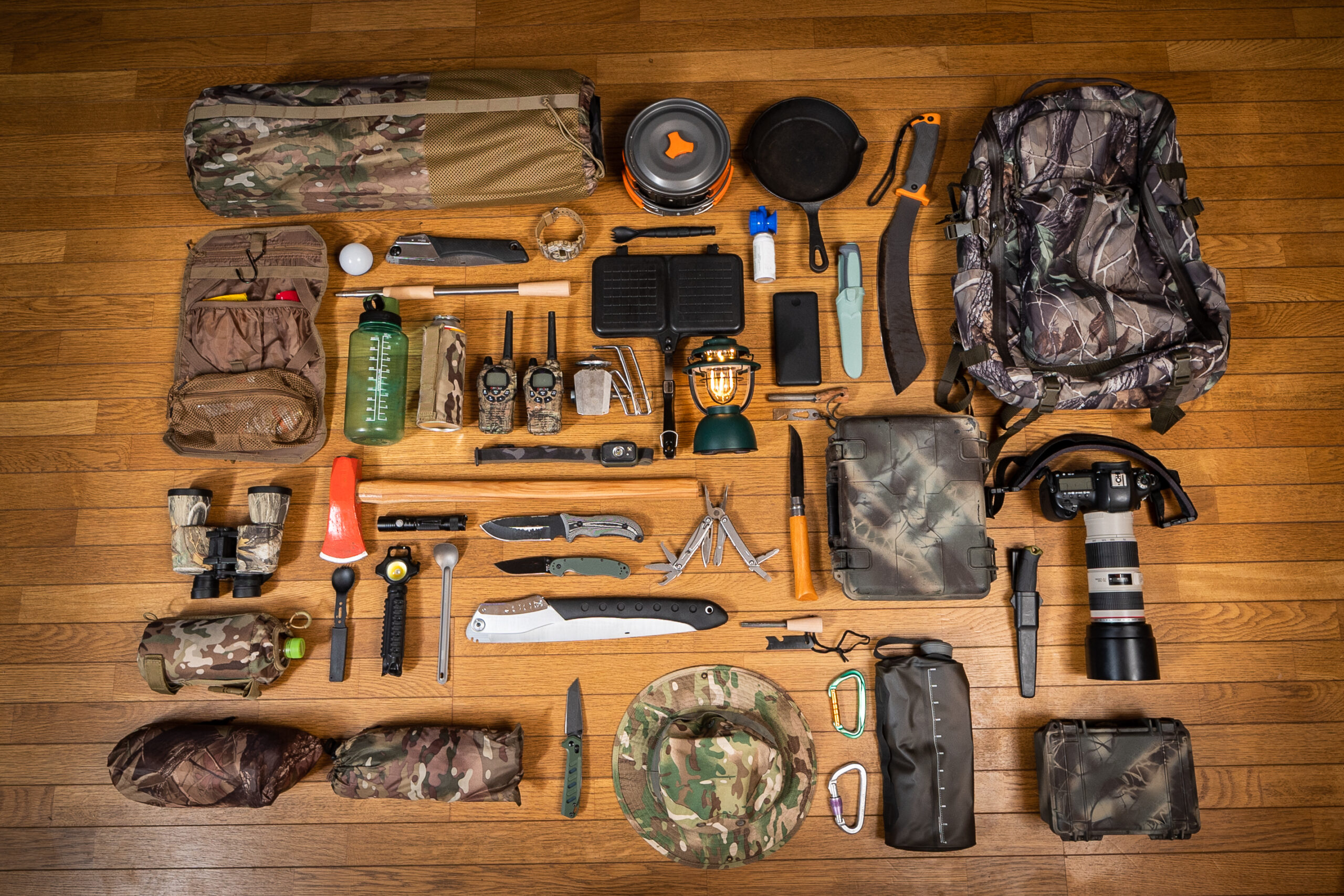
In an unpredictable world, being prepared for emergencies is not just prudent. Survival in a disaster depends on being proactive.
A bug-out bag (BOB) or a get-home bag is a portable disaster readiness kit containing the essentials needed to survive for at least 72 hours, and they’re critical for anyone to be ready for unexpected crises.
Whether it’s a natural disaster, civil unrest, or a personal emergency, a well-stocked bug-out bag can make the difference between vulnerability and resilience. Here’s why you should have one.
Key Takeaways
- Get home bags are easy to set up and maintain, and everyone should have one.
- They’re easily customizable depending on your needs and local requirements.
- Bug-out bags offer psychological relief because you know you’re prepared.
- In evacuation scenarios, they save valuable time so you can reach safety.
1. Be Ready for Natural Disasters
Natural disasters like hurricanes, earthquakes, floods, or wildfires can strike with little warning, forcing you to evacuate quickly. FEMA and the CDC emphasize the importance of disaster readiness, recommending supplies for at least three days.
A get-home bag ensures you have food, water, first aid supplies, and other essentials ready to grab and go, saving precious time when evacuation orders are issued. For example, during Hurricane Katrina in 2005, many residents had mere hours to flee, and those with prepared kits were better equipped to handle the chaos.
2. Ensure Personal and Family Safety
A get-home bag is tailored to your needs, containing items like medications, identification documents, and clothing to keep you and your loved ones safe and comfortable. In a crisis, stores may be closed, and access to supplies may be limited.
Having a BOB means you’re not scrambling to find critical items like a flashlight, a multi-tool, or an emergency blanket when time is of the essence. It’s a small investment that provides peace of mind, knowing you can protect yourself and your family.
3. Adapt to Unexpected Scenarios
Emergencies aren’t limited to natural disasters. Power outages, economic instability, or sudden civil unrest can disrupt normal life. For instance, the 2020 global supply chain disruptions highlighted how quickly essentials like food and medical supplies can become scarce.
A bug-out bag equips you to handle short-term disruptions, whether you need to shelter in place or evacuate. It’s a versatile tool that prepares you for a range of scenarios, from staying put to relocating to a safer area.
4. Know You’re Self-Reliant
Relying on external help during a crisis can be risky. Emergency services may be overwhelmed, and aid might not arrive for days. A get-home bag empowers you to be self-sufficient, with essentials like water purification tablets, non-perishable food, and a firestarter.
The Red Cross advises that individuals should be prepared to survive independently for at least 72 hours, as relief efforts often take time to mobilize. Your BOB is your first line of defense, ensuring you’re not dependent on others in a crisis.
5. Easy to Customize and Maintain
A bug-out bag is highly customizable to fit your specific needs, location, and risks. Live in a cold climate? Include warm clothing and a sleeping bag. Is your area prone to flooding? Prioritize waterproof gear.
You can tailor your BOB to include items like pet supplies, baby formula, or specific medical equipment. Regularly updating your bag—checking expiration dates on food and medications—ensures it’s always ready. This flexibility makes it a practical solution for everyone, everywhere.
6. Psychological Preparedness
Having a bug-out bag isn’t just about physical survival—it’s about mental resilience. Knowing you’re prepared reduces panic and boosts confidence in a crisis.
Not everyone feels like they need to be proactive about preparing for emergencies. Disaster readiness varies depending on your area and your community’s perception, according to a study from Frontiers. People see the necessity for disaster prep differently, and their likelihood to be ready in emergencies scales with risk, severity, and ability to relocate. In situations where disasters are sudden, unpredictable, or abnormal, people are at a greater risk. A comprehensive BOB gives you a sense of control, helping you stay calm and make rational decisions when chaos strikes.
What Should Be in Your Get Home Bag?
While contents vary based on personal needs, a basic BOB should include:
- Water and Purification: At least 1 liter per person per day, plus a filter or tablets.
- Food: Non-perishable, high-energy items like protein bars or freeze-dried meals.
- First Aid Kit: Bandages, antiseptics, medications, and a basic manual.
- Shelter and Warmth: Emergency blanket, poncho, or lightweight tent.
- Tools: Multi-tool, flashlight, batteries, and firestarter.
- Documents: Copies of IDs, insurance, and emergency contacts.
- Clothing: Weather-appropriate gear, sturdy shoes, and extra socks.
- Cash: Small bills for emergencies when cards may not work.
Final Thoughts
A bug-out bag is a lifeline that prepares you for the unexpected.
By investing a little time and effort into building and maintaining one, you’re taking a proactive step toward safety and self-reliance. In a world where emergencies can happen at any moment, having a BOB is a necessity. Start building yours today, and be ready for whatever tomorrow brings.
Ready to get started? Assess your risks, gather your supplies, and build a bug-out bag that fits your needs. Your future self will thank you. LIMA-TANGO HAS YOUR SOLUTION.
Frequently Asked Questions
Should everyone have a get-home bag?
Yes! BOBs are easy to set up and maintain. Keeping one in an accessible location in your house or car can make the biggest difference in an emergency scenario.
How much should a bug-out bag weigh?
The general rule is that a bug-out bag should not be heavier than 50 pounds unless you’re a fit, experienced hiker who can carry a heavy bag for long distances. It’s important to strike a balance between how much you pack and how much you can reasonably carry.
How long should a bug-out bag last?
Ideal bug-out bags are designed to last at least 72 hours, but should have at least 24 hours of supplies per person.