
How To Prepare For a Blizzard Bug-In Scenario
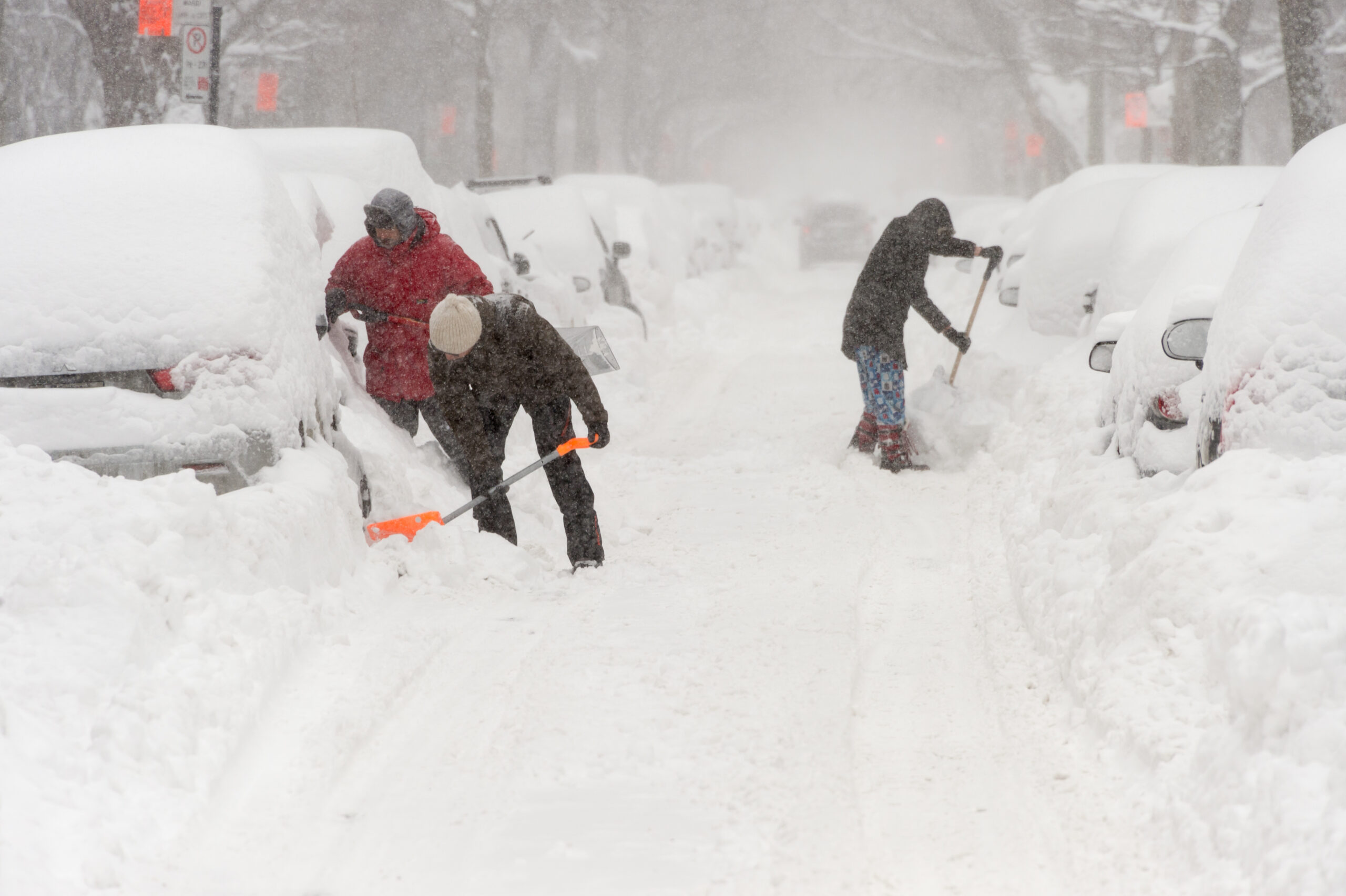
Bug-in means sheltering safely in your home (no evacuation) during a blizzard—when heavy snow, high winds, whiteout conditions, and extreme cold make travel impossible and often knock out power for days. The goal is self-sufficiency for at least 3–14 days (official guidance recommends starting with several days but planning longer for isolation). Here’s a practical, step-by-step guide based on official recommendations from the Red Cross, FEMA/Ready.gov, and related agencies.
1. Pre-Storm Preparation (Do This Year-Round and 24–48 Hours Before) Fortify your home against cold and snow.
- Insulate and seal: Add weather stripping, caulk gaps, and use plastic sheeting/duct tape on windows. Close off unused rooms with rolled towels at door bottoms. Keep curtains open during daylight for solar gain, closed at night.
- Heating safety: Have your furnace, fireplace, or wood stove professionally inspected and cleaned annually. Install/test smoke alarms and carbon monoxide (CO) detectors with battery backups.
- Pipes: Know how to drip faucets on exterior walls and open cabinet doors under sinks when temps drop.
- Access: Keep a snow shovel, ice melt/sand, and rock salt inside the house or garage so you can clear doors/walkways without getting trapped.
- Choose a “warm room”: Pick one interior room (ideally with a fireplace or stove) to camp in if power fails—close doors, add blankets over windows.
Build a Stay-at-Home Emergency Kit (aim for 2 weeks minimum)
Store everything in one or two easy-to-grab bins in a known spot. Core items (Ready.gov baseline + winter adaptations):
- Water: 1 gallon per person per day (drinking + sanitation)
- Food: Several days to 2 weeks of non-perishables (canned goods, energy bars, dried fruit, peanut butter—easy to prepare without cooking) + manual can opener
- Warmth: Sleeping bags or warm blankets per person, extra layers, hats, mittens, scarves, thermal underwear, boots
- Lighting & Communication: Flashlights, extra batteries, battery/hand-crank NOAA weather radio, cell phone + power banks/chargers
- Medical: First-aid kit, 1-month supply of prescription meds (with dosage list), OTC pain relievers, anti-diarrhea meds, any special equipment (CPAP batteries, etc.)
- Sanitation: Moist towelettes, garbage bags, plastic ties, hand sanitizer, toilet paper
- Other essentials: Cash, important documents (insurance, IDs) in waterproof container, pet food/extra water, infant supplies if needed, books/games for morale, wrench/pliers (for utilities), fire extinguisher, dust masks
Extra actions
- Charge everything, fill prescriptions, sign up for local emergency alerts.
- Have a backup plan: Know the nearest warming center (library, mall, shelter). Check on elderly neighbors or those with disabilities.
- Vehicle kit (just in case): Blanket, extra clothes, snacks, sand, jumper cables.
2. During the Blizzard: What to DoStay inside and minimize movement
- Limit time outdoors to absolute necessities (e.g., clearing a vent or door). Dress in loose layers if you must go out; avoid overexertion. Watch for frostbite (numb, pale skin on extremities/face) and hypothermia (shivering, confusion, drowsiness).
Manage heat and power outages
- Conserve warmth: Huddle together under blankets, wear hats/gloves indoors, eat warm foods, do light activity (arm circles) to circulate blood.
- Safe heating only: Use fireplace/wood stove or listed space heaters (keep 3 feet from flammables). Neveruse a gas stove/oven or grill indoors.
- Carbon monoxide prevention (silent killer): Run generators, camp stoves, or charcoal grills only outdoors, at least 20 feet from windows/doors. Never bring them inside. If you feel dizzy/nauseous, get fresh air immediately and seek help.
- Food safety: Keep fridge/freezer doors closed (food stays cold 4 hours / freezer 48 hours). Discard anything above 40°F for 2+ hours.
- Stay informed: Listen to NOAA radio or battery-powered radio for updates. Conserve phone battery.
Daily routine tips
- Hydrate and eat regularly (warm fluids, no alcohol/caffeine).
- Bring pets inside.
- Check on family members—older adults, babies, and those with medical conditions are at higher risk.
3. Critical Safety Reminders
- CO poisoning and fire are the top killers in winter storms—detectors and proper generator use save lives.
- Frostbite/hypothermia: Warm affected areas gently (not with direct heat); seek medical help if severe.
- Mental health: Keep morale up with games, books, and contact with loved ones via text when possible.
4. After the Storm
- Shovel slowly and with a partner—heart attacks are common from overexertion.
- Watch for downed power lines, falling ice/branches, and ice on walkways.
- Check food safety and throw out spoiled items.
- If your home is still too cold, go to a designated warming center.
Start with the basics above and build up each season—you’ll be far safer than most people scrambling at the last minute. Download printable checklists from Ready.gov/kit or Red Cross for easy shopping. Stay safe out there! If your area has specific risks (e.g., extreme rural isolation), check local emergency management for tailored advice.