Operation FORTRESS: Why the Pentagon Just Validated Everything Serious Preppers Already Know
Operation FORTRESS: Why the Pentagon Just Validated Everything Serious Preppers Already Know
By Lt. Col. William W. Petit, USAF (Ret.)
Founder, LIMA-TANGO Survival
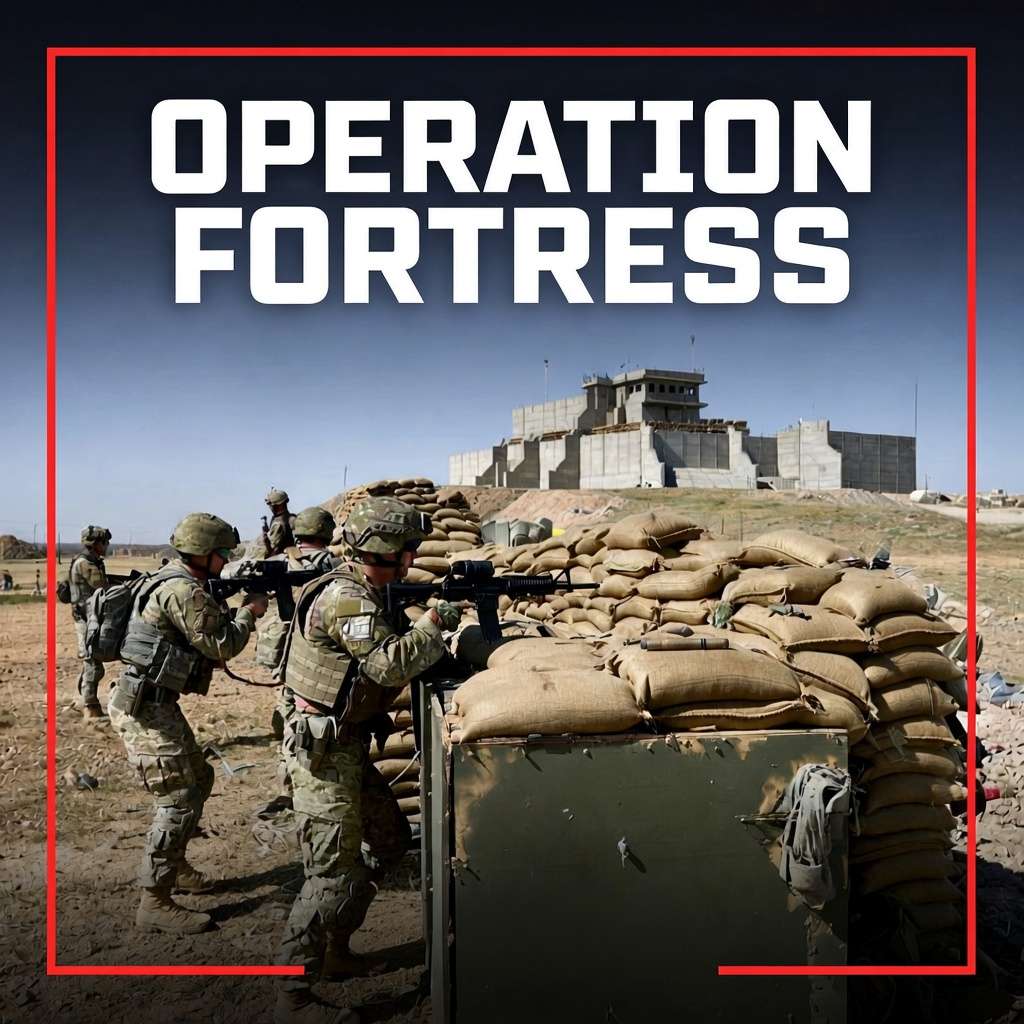
On September 30, 2026, Defense Secretary Pete Hegseth stood at Quantico and announced what the Department of Defense is calling FORTRESS — Federal Operations for Resilience, Troop Resources, Energy, Supply, and Survivability.
The core requirement is blunt: every major U.S. military installation in the continental United States must be able to generate its own power independent of the civilian grid and sustain essential operations for at least 90 days without outside support. That means electricity, water, fuel, and communications. If an adversary takes down the grid by cyber attack, sabotage, or any other means, the bases stay lit.
Hegseth called it the nation’s insurance policy. The five pillars are energy independence, supply-chain and defense-industrial base resilience, a strategic defense reserve, installation hardening and cyber resilience, and resilience in space and spectrum.
This is not a hypothetical drill. It builds directly on the Janus Program, which has already selected five vendors to field nuclear micro-reactors at Fort Bragg, Fort Campbell, Fort Hood, Fort Benning (right here in Georgia), and Fort Drum. Portable nuclear reactors, large-scale battery storage, and microgrids that can disconnect from the civilian system are part of the plan. The military is treating prolonged loss of the civilian grid and supply chains as a realistic wartime condition.
What This Means for the Rest of Us
I’ve spent 25 years in the Air Force as a pilot, instructor, and commander. I went through SERE. I’ve lived the “Two is one, one is none” mindset because the alternative gets people killed. When I left active duty and later found myself in a wheelchair after a spinal cord injury, that mindset didn’t change. It sharpened. You learn quickly that systems fail, and the people who do best are the ones who already planned for it.
FORTRESS is the institutional version of what serious preparedness has always been about. The Pentagon is acknowledging, in public and with real money, that depending on a fragile civilian grid and just-in-time supply chains is an intolerable risk in a major conflict. They are building redundancy, local power generation, stockpiles, and the ability to operate when everything outside the wire goes dark.
That is the same logic we apply at LIMA-TANGO Survival when we design kits and teach skills. The military is simply doing it at scale with a defense budget and nuclear reactors. The principle is identical: assume the system will fail, and be ready to function anyway.
How You Should Be Prepared
You don’t need a microreactor. You need a practical, layered plan that covers the same categories the military is hardening: power, water, food, medical, communications, and the ability to keep going when normal services disappear.
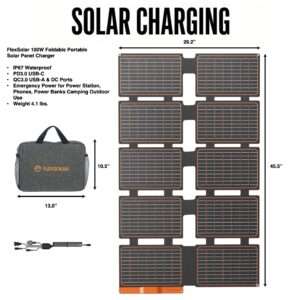
Power. Start with the basics that keep critical loads running. Solar generators and battery banks that can charge from solar, a vehicle, or a small generator give you lights, communication charging, and medical devices without depending on the grid. Redundancy matters — more than one way to produce and store power. Test it regularly. A system that only works on paper is useless when the lights go out.
Water. Store what you can, but also know how to purify what you find. Filters, chemical treatment, and the knowledge of local sources matter. In a prolonged outage, water distribution fails quickly. Plan for both short-term storage and longer-term purification.
Food and nutrition. Have at least a few weeks of shelf-stable calories you actually like and will eat. High-calorie, long-shelf-life options that don’t require cooking are useful when fuel is limited. Rotate stock. The military thinks in terms of 90 days of essential operations; most families will do well to get solid at 30–90 days of basic sustenance plus the skills to stretch further.

Medical and trauma. Grid-down means hospitals are overwhelmed or offline. A solid trauma kit, medications you depend on, and basic medical knowledge are non-negotiable. Circulation issues, mobility limitations, and chronic conditions don’t pause for a crisis. Plan for your specific situation.
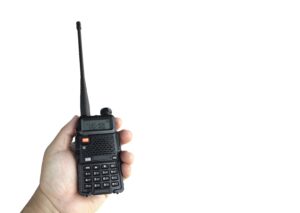
Communications and information. Cell towers and the internet fail or become unreliable. Battery-powered or hand-crank radios, satellite messengers, and pre-arranged meeting points with family give you options when normal channels go dark. Know how to get weather, news, and local alerts without a smartphone.
Redundancy and skills. Gear is only as good as the person using it. Practice with what you have. Know how to use a map and compass. Understand basic shelter, fire, and first aid. Have multiple ways to accomplish critical tasks. The military is hardening installations because single points of failure are unacceptable. Apply the same standard to your household.
The Real Lesson
FORTRESS is not fear-mongering. It is a clear-eyed assessment that the old assumptions — two oceans protecting us, reliable civilian infrastructure always being there — no longer hold in the current threat environment. The military is preparing to fight and operate even if the systems outside the base are taken offline.
That same assessment applies to civilians. When the grid is down, the grocery stores are empty, and normal services are interrupted, the people who have already built redundancy, practiced skills, and stocked the right gear will be the ones who can take care of their families and neighbors.
At LIMA-TANGO Survival we build kits and teach principles based on real-world SERE experience and the simple rule that two is one and one is none. The Pentagon just put the same idea into policy for every major installation in the country.
You don’t have to wait for a government program to do the same for your own household. Start with what you can control: power, water, food, medical, and the skills to use them when it matters.
Stay ready. Be Tough.
Lt. Col. William W. Petit, USAF (Ret.)
LIMA-TANGO Survival
limatangosurvival.com
—