How to Store and Cook MREs
Key Takeaways:
- MREs were originally developed for military use, but are now popular among campers, hikers, and anyone needing a reliable food supply for short periods.
- Most US MREs contain an entree, side dish, dessert or snack, beverage, and accessories.
- To cook an MRE, you need to heat the entree on the flameless ration heater (FRH) contained in the MRE bag.
- MREs need to be customized to the situation and storage environment.
If you’ve never eaten an MRE, the idea can seem a little strange. How does a complete meal fit into a pouch? Do you need a way to cook them? How long can it sit in storage? And how long can it sustain you?
Whether you’re preparing for a weekend outdoors or an emergency, such as an unexpected power outage, understanding helps you choose, store, and use them with confidence. When push comes to shove, you need to know how to cook MREs. Here’s a quick primer on the popular, shelf-stable meal packs.
What Are MREs?
MREs or Meals Ready-to-Eat, were originally developed for military use. They are self-contained meal packs designed to provide energy and your body’s nutritional requirements in a convenient package.
Today, they’re just as popular with campers, hikers, preppers curating an emergency kit, and anyone building a practical food supply for seen or unforeseen situations.
What’s Inside an MRE?
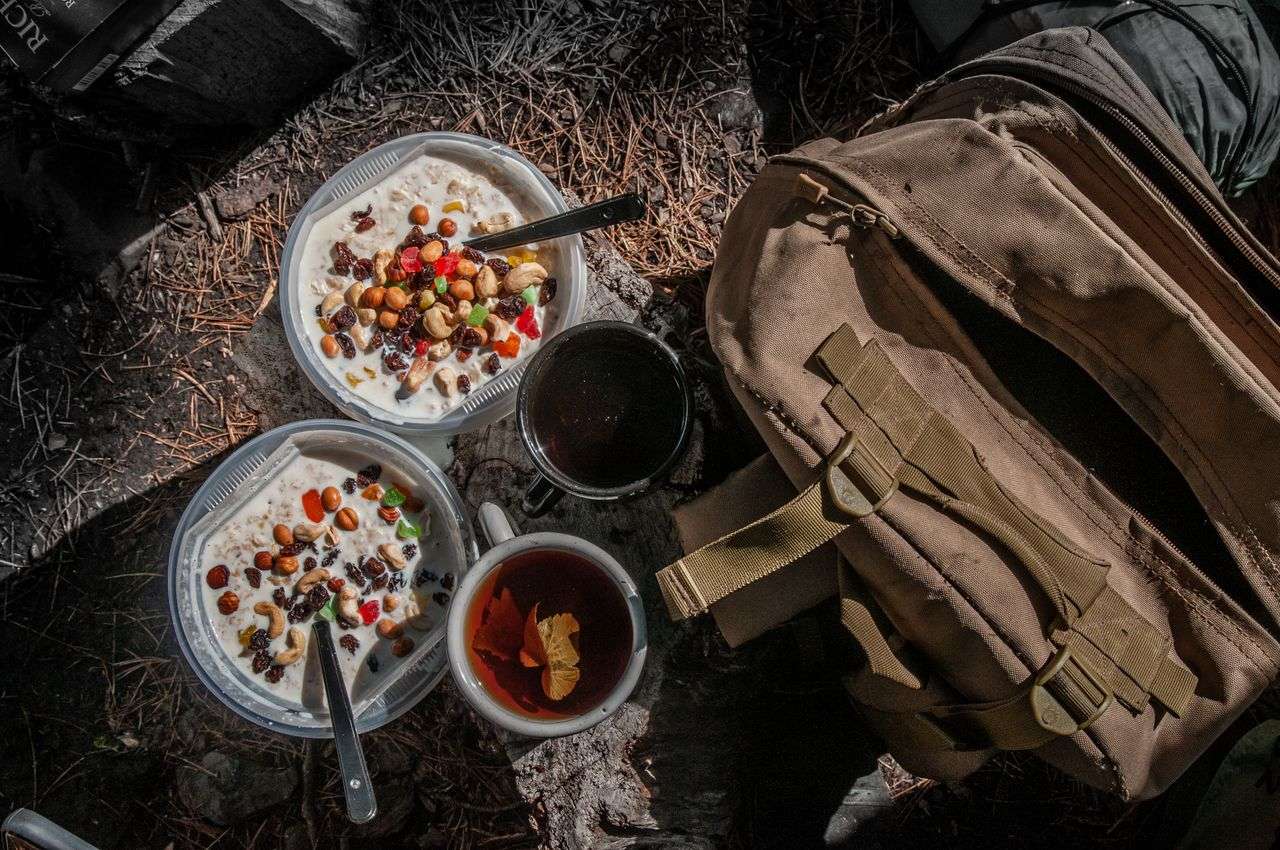
American MREs will generally contain a predictable set of components that you may need to cook or consume as cold:
-
- Entree: A main entree in a pouch
- Side Dish: Rice, corn, fruit, or mashed potatoes
- Crackers Or Bread
- Dessert Or Snack: Cookies, pound cakes, peanut butter, Skittles, or Tootsie Rolls
- Powders: Beverage powders, such as for coffee, tea, cocoa, and energy drinks, or accessory packets with seasoning (in some MREs)
- Flameless Ration Heater (FRH): To heat up the entree
- Accessories: Spoon, matches, gum, tissue, and wipes
Most of the components of an MRE are freeze-dried and don’t require you to cook anything. The entree is typically wet-packed. MREs are built based on specific climates, storage periods, and user groups. Taste isn’t as big a factor as the energy and protein requirements of the situation you’re in.
Caloric Density
The calorie serving of a typical US MREs is around 1,250 kcals per bag, spread across all of its components. Nutritionally, you can expect around 14% protein, 50% carbohydrate, and 36% fat in an MRE.
An infantryman in the field will typically need three bags a day for a total serving of 3,750 kcal. An endurance hiker on a week-long trail may need a similar or slightly lower caloric intake. A white-collar employee using MREs during a situation where they’re unable to cook, such as a blackout or stranding, will need a much lower intake as they’re not burning enough fat.
What Should You Pack?
The rations you pack should depend entirely on the situation you expect to encounter. Consider whether you’re packing for a short emergency, a few days out in the wild, or an extended survivalist situation.
For starters, US doctrine advises capping MRE-only feeding at 21 consecutive days. This is due to the low-fiber, high-sodium makeup of most MREs that can affect digestion with consistent usage. If you expect to use MREs for a longer period, supplement your rations with other sources of nutrition.
- MREs and emergency food kits, such as those from MayDay or 4Patriots
- Freeze-dried meals
- Energy bars
- Portable butane burner stoves
- Manual can opener
- Cast iron skillet or Dutch oven
How to Cook and Eat an MRE
How you prep your meal pack depends on the type of rations you have with you.
MREs
MREs are equipped with a flameless heater which is essentially a thin pad of magnesium-iron alloy. You use these to heat up the entree. Pour about 30 ml of water into the sleeve of the pad, slide the retort pouch (containing the entree) into it and the chemical reaction heats up your meal in 10 minutes. Every heater is single-use.
You can consume other items in the MRE, including the side dish, snacks, and crackers, cold.
Freeze-Dried Meals
Much like an MRE, you don’t need to ‘cook’ your freeze-dried meal. You may however need to add hot water into the entree pouch or heat it up in a skillet using a portable butane stove.
Where to Store MREs?
Where you store your rations depends on the type of ration and type of storage environment. Retail freeze-dried packs and retort MREs typically carry a best-before date of 3-5 years, provided they’re stored at room temperature (approx. 22℃).
If stored in a cool, dry location such as a cellar (10-16℃), as is ideal, it can last much longer. Conversely, if you store it in hotter temperatures, the product degrades much more quickly.
Need a Complete Load-Out to Prep for a Trip or Emergency? LIMA-TANGO Has You Covered
Browse our large selection of emergency and survival gear to keep you prepared for any trip or eventuality. Follow our blog for more tips on how to sustain yourself in the wild or unforeseen circumstances.