
Wilderness Shelter Basics: What “Survival Shelter” Means in the Field
Key Takeaways
- Learn how to build a survival shelter that protects you from ground contact, wind, rain, snow, and other exposure hazards.
- Address the most immediate threat first, then reduce heat loss from the ground, wind, and precipitation.
- An A-frame tent gives you faster, more predictable cover than starting from raw materials.
- If you improvise, use available materials without creating hazards or damaging live vegetation.
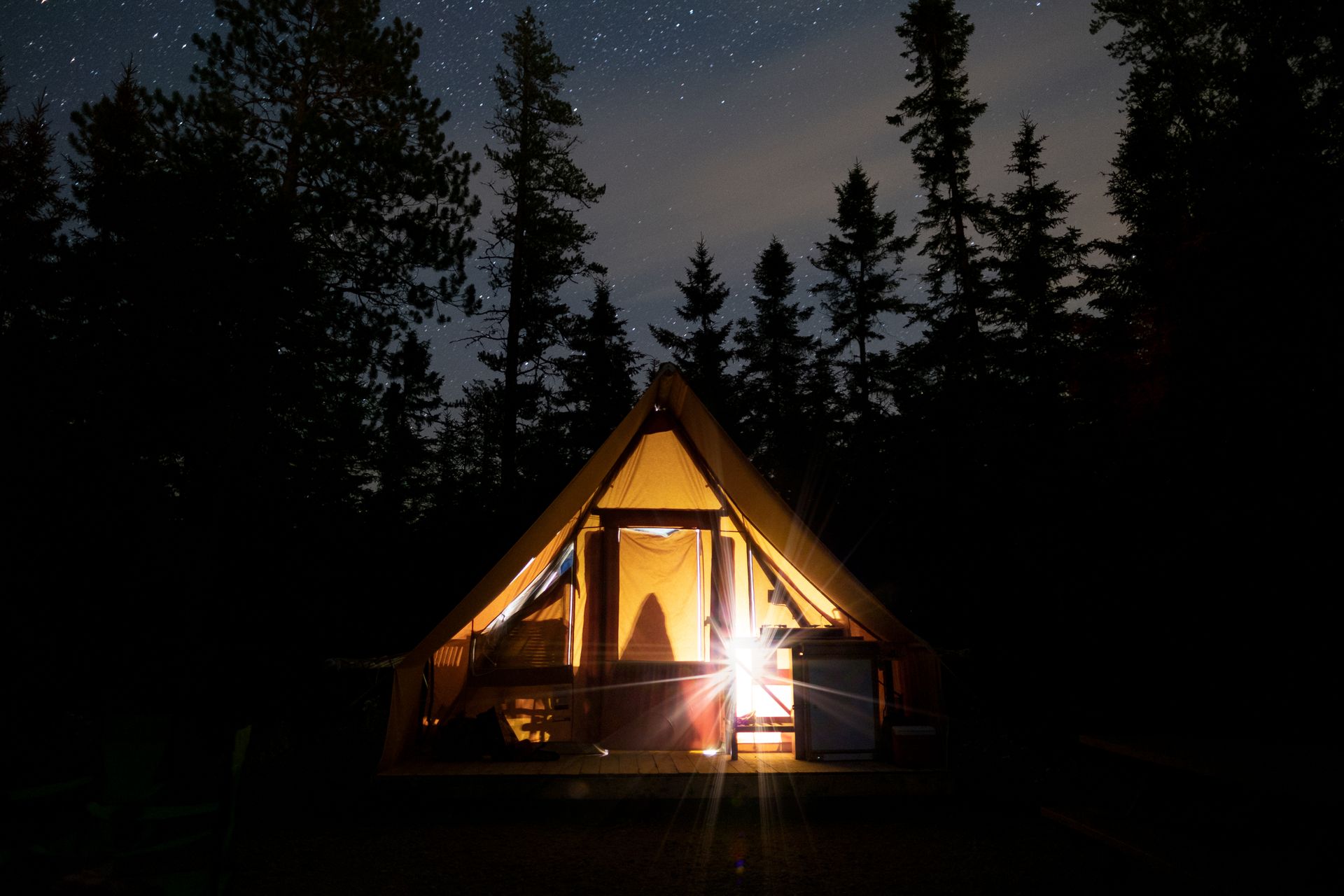
A wilderness shelter does not need walls, a floor, and a door. In the field, shelter means staying dry, insulated, and out of the wind.
Cold, wet, and windy conditions can contribute to hypothermia. National Park Service hypothermia guidance recommends seeking shelter from weather, changing into dry clothing, and placing a barrier between the body and the ground.
Start With the Ground
Direct contact with cold ground increases heat loss. A sleeping pad provides a reliable insulating layer. In a true emergency, dry natural material can add insulation where gathering it is legal and does not damage live vegetation.
Avoid low spots where water can collect, dead branches overhead, exposed ridgelines, dry washes, and drainage channels that could flood.
A wilderness shelter starts with a safe site and insulation from the ground.
Block Wind and Rain
Knowing how to build a survival shelter means addressing the most immediate hazard first, then reducing heat loss from wind and precipitation.
Wind increases heat loss from exposed skin, while rain can wet clothing and insulation. If heavy rain is falling, waterproof cover may come before improving your ground bed. If strong wind is the immediate problem, move behind or build a windbreak first.
Set Up an A-Frame Shelter
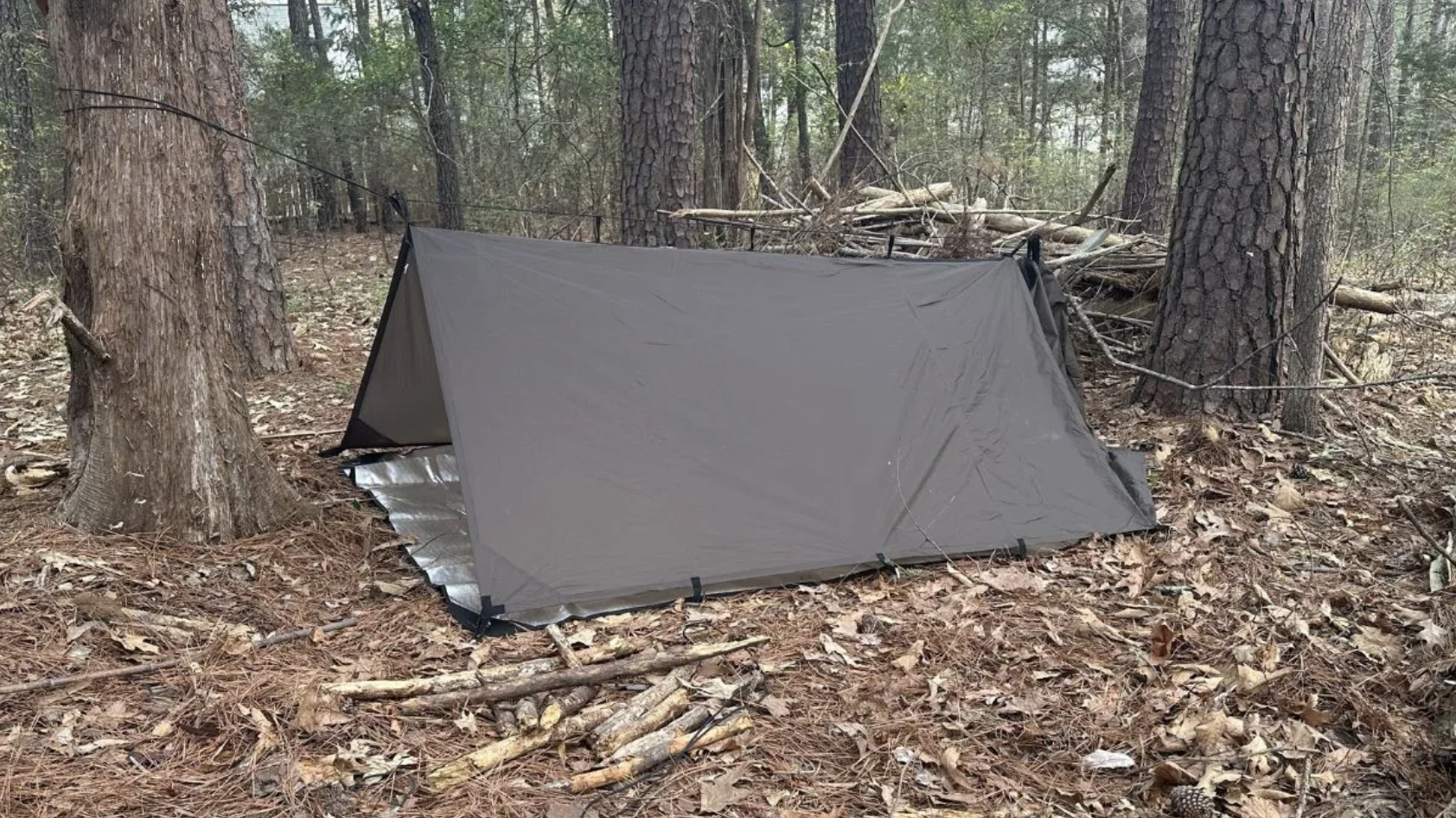
An A-frame tent gives you a known structure when speed matters.
The basic shape uses a ridgeline with two sloping sides for weather protection. Pick safe, level ground and tension the shelter so the fabric does not sag into the sleeping area.
Use a ground pad inside. Keep sleeping gear away from wet tent walls, and leave ventilation to reduce condensation.
A tent-based wilderness shelter still needs ground insulation and a dry sleeping system.
LIMA-TANGO’s THE SCOUT includes a two-man A-frame tent, foam sleeping pad, sleeping bag, rain poncho, emergency blanket, and other shelter equipment.
LIMA-TANGO also carries emergency bivvies, rain protection, sleeping pads, and other shelter gear.
BUSHCRAFT SHELTER
How to Build a Survival Shelter Without a Tent
Use terrain that blocks wind without creating another hazard. Avoid washes, drainage channels, unstable trees, loose rock, and low spots that collect water.
In a true emergency, an improvised wilderness shelter such as a lean-to or debris shelter can reduce wind and exposure. Build only where local rules allow it, and avoid cutting live vegetation or altering the site more than necessary.
Before practicing improvised shelter techniques with natural materials, check the rules for the area. NPS Leave No Trace guidance calls for camping on durable surfaces, leaving plants and natural objects where they are, and avoiding unnecessary campsite alterations.
Practice Shelter Skills Before You Need Them
Practice choosing a safe site, setting up your wilderness shelter, laying down insulation, and blocking wind before an emergency. Practice improvised techniques only where collecting or moving natural material is permitted.
Knowing how to build a survival shelter is useful, but being able to set up the gear you already carry can save time when conditions deteriorate.
Know What a Kit Cannot Do
A shelter kit saves time. It does not choose the site, read the weather, or keep you warm by itself.
A tent blocks wind and rain but does not replace ground insulation. Wet sleeping gear insulates less reliably, and a poncho does not make an unsafe site safe.
Practice setup before darkness, rain, cold, or injury makes it harder.
A wilderness shelter works best when you understand your equipment and its limits. LIMA-TANGO Survival tests and vets the gear included in its survival kits for function, durability, and safety. Explore LIMA-TANGO’s emergency gear and get prepared with equipment you know how to use.
Life’s tough. Get tougher.
Frequently Asked Questions
What matters most in a survival shelter?
There is no universal first step. In cold conditions, ground insulation can be a major priority. In active rain or high wind, immediate weather protection may come first.
How do you build a survival shelter without gear?
Start with safe terrain and legally available materials. Reduce wind and precipitation exposure while creating insulation between your body and the ground.
Is a tent enough for a wilderness shelter?
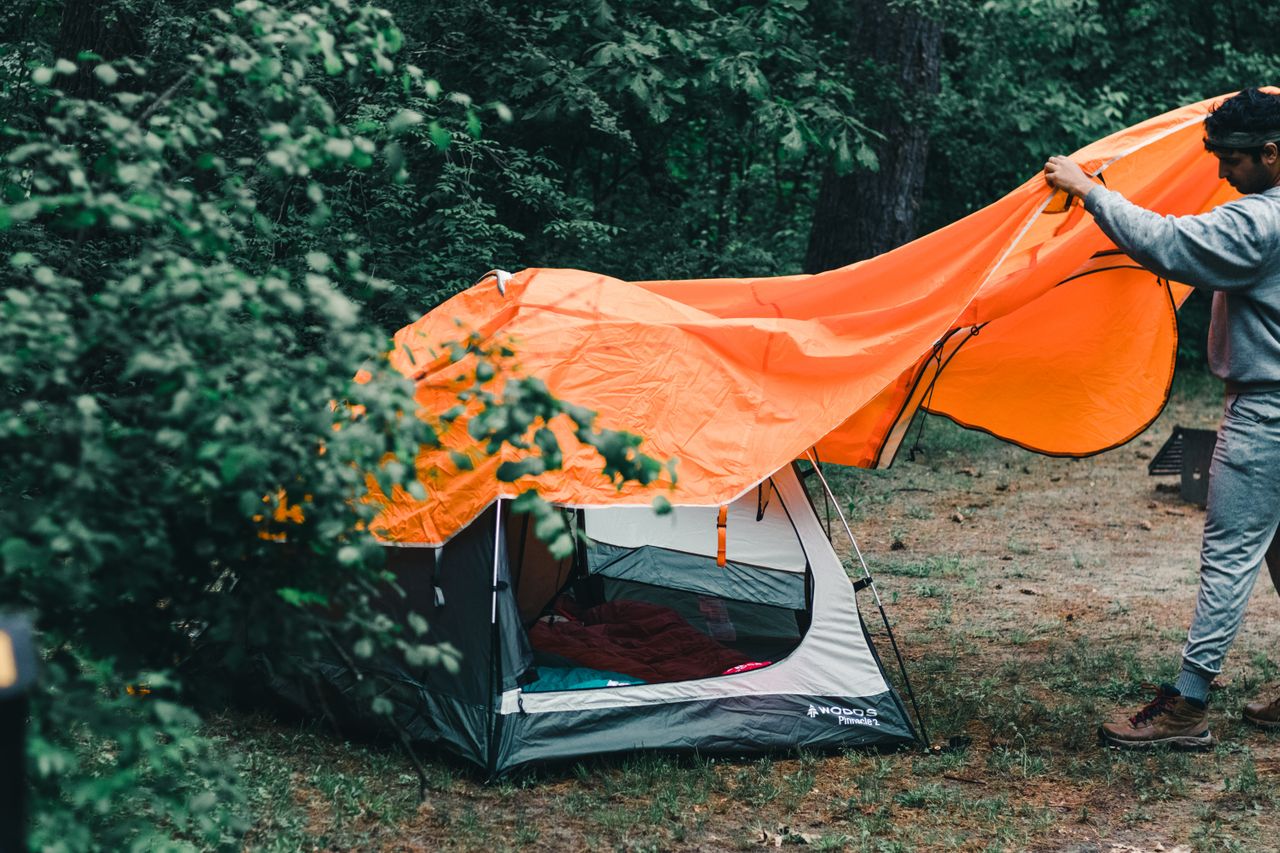
Not by itself. A tent provides weather protection, but you still need ground insulation, appropriate clothing, and a safe campsite.