
How to Build a Hurricane Prep Kit Before the Stores Run Out

Key Takeaways:
- Gather hurricane supplies before a storm threatens your area.
- Store at least one gallon of water per person per day and keep enough for several days.
- Prepare separate sheltering at home and hurricane evacuation kits.
- Add medications, documents, pet supplies, and other personal items no prebuilt kit can provide.
The Atlantic hurricane season runs from June 1 through November 30. NOAA hurricane guidance recommends updating hurricane supplies before the season begins, while CDC hurricane safety guidance advises families to gather food, water, medicine, flashlights, and extra batteries before a storm arrives.
A hurricane prep kit is easier to build before a storm threatens your area, when you have time to check supplies and replace what is missing.
Start With Water and Food
Federal emergency supply guidance recommends at least one gallon of water per person per day. Keep enough for several days, and consider a larger home supply if a storm could disrupt utilities or store access.
For a household of four, a three-day supply at that minimum equals 12 gallons.
Add nonperishable food that requires little or no cooking, water, or refrigeration. Account for allergies, medical diets, infants, and pets. Include a manual can opener if you pack canned food.
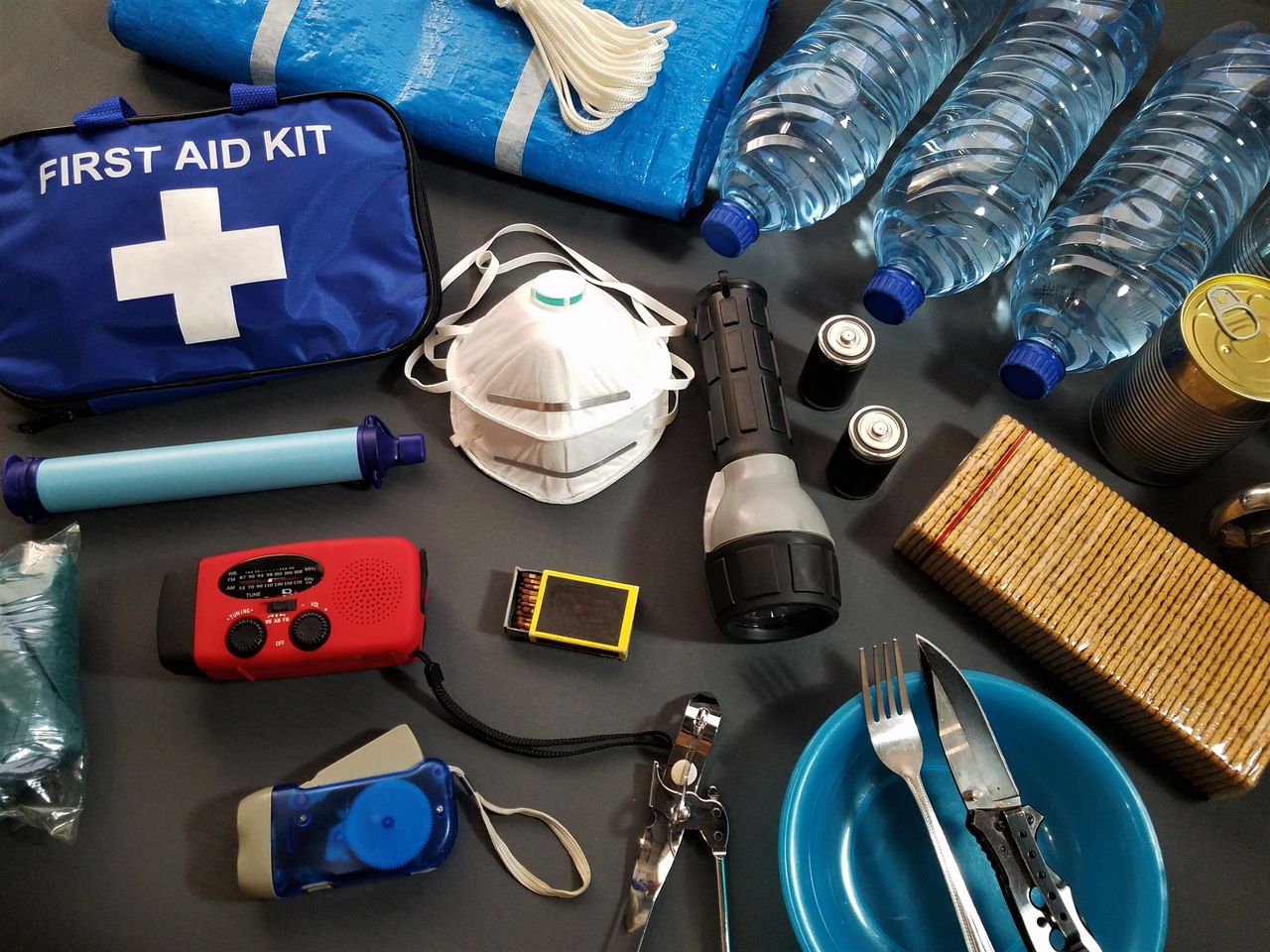
Your hurricane prep kit should cover evacuation or shelter in place supplies your household depends on, including water, food, lighting, communication, and medical needs. Pack flashlights, spare batteries or rechargeable power sources, phone-charging equipment, and a battery-powered or hand-crank weather radio.
Store the kit where household members can reach it easily. Keep frequently checked items together so you can review dates, batteries, and missing supplies without unpacking everything.
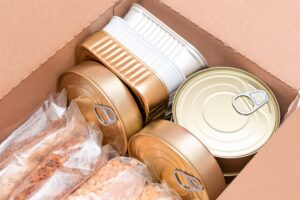
CANNED PREP FOODS
Pack Medical and Personal Supplies
Keep necessary medications accessible and follow their labeled storage requirements. Pack prescription eyewear, hearing aids, medical devices, first-aid supplies, hygiene items, and important medical information. Account for special dietary needs.
Keep identification, insurance information, emergency contacts, and other important documents in a waterproof container or bag.
Households with infants, older adults, pets, or medical equipment will need supplies beyond a basic checklist. Build quantities around the people and animals who will actually use the kit.
Prepare to Shelter at Home
If officials direct you to stay home, plan for disrupted utilities and keep your hurricane prep kit within reach.
Keep food that can be eaten without electric cooking equipment, drinking water, flashlights, sanitation supplies, and a way to receive emergency information. Keep blankets and weather protection accessible in case the home is damaged or utilities fail.
Our THE TWENTY-FOUR is a one-person, 24-hour emergency load-out with shelter, hydration, fire, nutrition, first aid, illumination, and tools. Longer shelter-in-place periods require additional water, food, medications, and personal supplies.
Pack Separate Supplies for Evacuation
A hurricane evacuation kit solves a different problem than supplies stored at home.
If authorities order an evacuation, the CDC hurricane safety guidance advises taking your emergency supply kit along with medications, identification, cash, phones, and chargers. Follow recommended evacuation routes because other roads may be flooded or blocked.
Keep the kit portable and easy to grab. Pack water, food, first aid, weather protection, lighting, communication equipment, basic tools, medications, documents, and personal items.
LIMA-TANGO’s THE DEUCE is a two-person, 72+ hour survival load-out with shelter, hydration, nutrition, medical supplies, tools, illumination, hygiene, and communications. Add personal medications, documents, clothing, and enough water for your evacuation plan.
Check Your Kit Before Every Hurricane Season
Check expiration or best-by dates on food and medicine. Check commercially bottled water for its use-by date and replace stored water according to the manufacturer’s guidance. Recharge power banks and replace damaged or depleted batteries.
Clothing sizes, prescriptions, dietary requirements, and equipment needs can change between hurricane seasons.
LIMA-TANGO Survival tests and vets the gear included in its emergency kits for function, durability, and safety. Add the personal supplies no prebuilt kit can cover, and keep your hurricane evacuation kit ready to grab if local officials tell you to leave.
Life’s tough. Get tougher.
Frequently Asked Questions
How much water should I keep in a hurricane prep kit?
Store at least one gallon per person per day and keep enough for several days. Store more when heat, illness, medical needs, activity level, or other household factors increase water requirements.
What is the difference between a shelter-in-place kit and an evacuation kit?
A home kit can hold more water, food, sanitation supplies, and backup power than a kit you need to carry. An evacuation kit should be portable enough to grab quickly.
When should I build my hurricane kit?
Build and check it before hurricane season when possible, then review it periodically through the season. Don’t wait for a hurricane warning to begin shopping for basic supplies.