
How to Survive Being Stranded in Your Car During a Snowstorm
Key Takeaways
- Keep a winter car emergency kit in your vehicle at all times.
- Take the time to learn how to survive a blizzard in your car. Arming yourself with a plan will help you move with confidence and intention should a worst-case scenario arise.
- Stay with your vehicle, and do your best to make your vehicle visible.
- To prevent carbon monoxide poisoning, keep snow out of your exhaust pipe, crack a window slightly to allow fresh air to circulate, and only run the engine for 10-15 minutes per hour.
- Do your best to stay warm by layering clothing, using blankets, performing gentle exercises, and huddling with passengers. Try to avoid sweating.
- Ration your supplies carefully.
- Try to maintain a calm, rational mindset.
- Don’t wait to build a winter car emergency kit. Get prepared today.
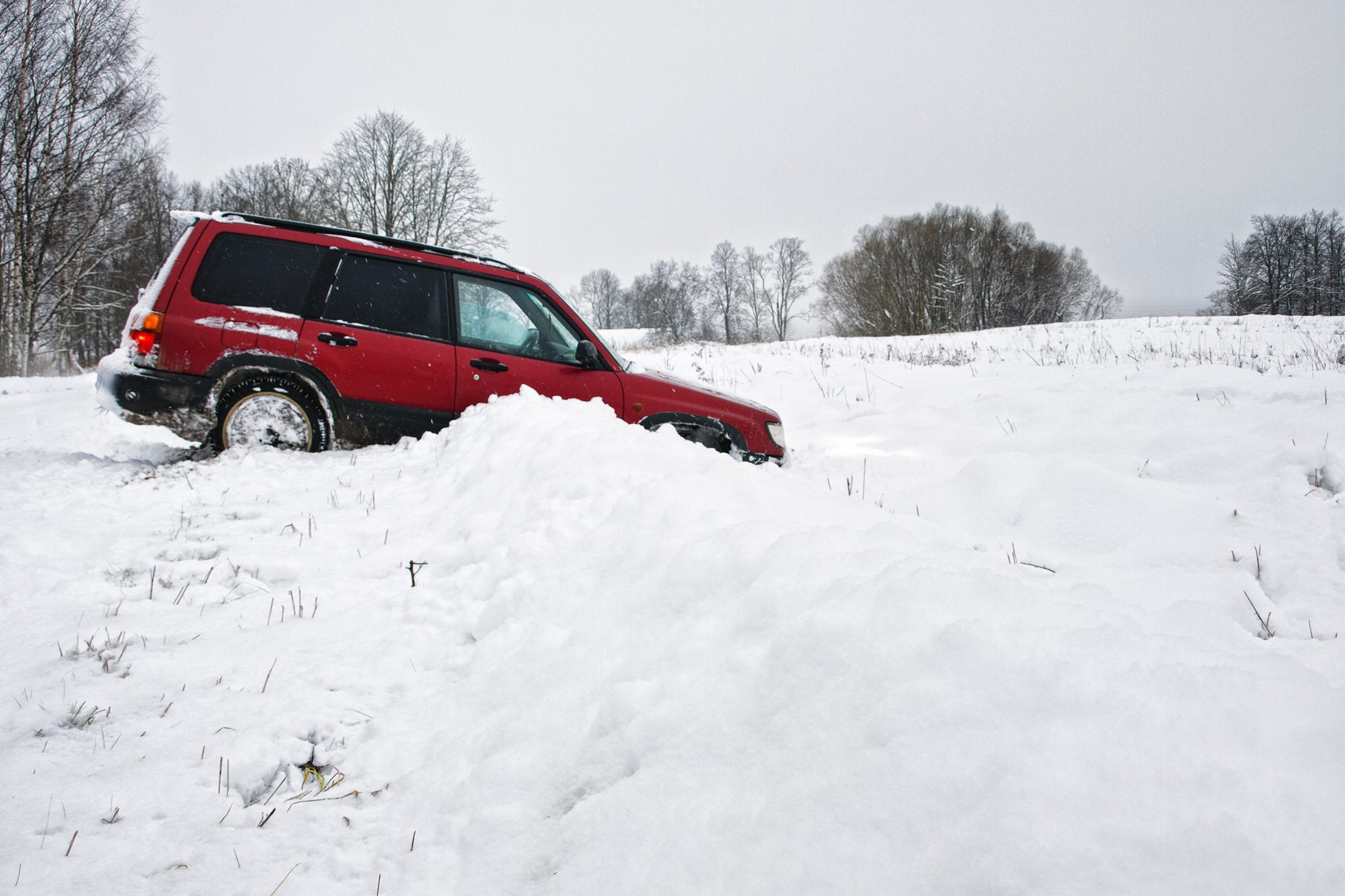
Getting stranded in your car during a snowstorm can be frightening, isolating, and potentially life-threatening.
Blowing snow, freezing temperatures, and limited visibility turn a minor delay into a serious survival situation fast. The good news? With the right mindset and a few smart decisions, you can dramatically increase your chances of staying safe until help arrives.
This guide walks you through exactly what to do if you find yourself stuck on the road during a winter storm. Read on to learn how to survive a blizzard in your car.
Frequently Asked Questions
What should I have in my winter car emergency kit?
We recommend having a dedicated bug out bag specifically for winter commuting. At bare minimum the kit should include the following items:
- Extra winter clothing, gloves, and hats
- Thermal blankets and/or sleeping bags
- Bottled drinking water
- Non-perishable, high-calorie snacks
- Hand warmers
- Ice scraper and snow brush
- Compact snow shovel
- Sand, non-clumping litter, or other traction aid
- Jumper cables or jump pack
- Flashlight with extra batteries or hand crank
- Road flares and reflective triangles
- Bright distress flags
- Portable power bank and extra phone charger
- First aid kit
- Multi-tool
- Battery-powered alarm clock
- Candles and fire kit
How long can you survive in a car during a blizzard?
Many factors will determine how long you can survive in a car during a blizzard, including your winter car emergency kit, your knowledge, and your location. With the right supplies and approach, you can survive for several days, potentially even multiple weeks in a dire crisis.
What are the main risks when surviving a blizzard in your car?
As you learn how to survive a blizzard in your car, it’s most important to prioritize ways to avoid dehydration and hypothermia. While eating is still very important, a healthy person can survive for one to two months without food as long as they stay hydrated and within a safe temperature.
Can I sleep in my car when trapped in a snowstorm?
Yes, sleep is important, but you must take critical precautions. Use the alarm clock in your winter car emergency kit to wake you up every 30-45 minutes to ensure that you don’t sleep through temperature drops. Never sleep while the engine is running. If there are passengers, rotate sleeping shifts.
1. Stay With Your Vehicle
As tempting as it may be to walk for help, your car is your best shelter. It’s easier for rescuers to spot a vehicle than a person on foot, especially in poor visibility.
Leave your car only if:
- You can clearly see help nearby (like a building or gas station).
- Weather conditions are improving.
- You’re absolutely sure of your direction and distance.
In most cases, staying put with your winter car emergency kit is the safest choice.
2. Make Your Car Visible
Help can’t find you if they can’t see you. A major part of how to survive a blizzard in your car is getting spotted.
- Turn on your hazard lights when the engine is running.
- Tie a brightly colored cloth, scarf, or piece of clothing to your antenna or door handle.
- At night, keep the interior dome light on if the battery allows.
Anything that makes your car stand out against the snow helps.
3. Establish a Communication and Signaling Schedule
Don’t drain your energy and phone battery. Stick to a set schedule. Keep at least one power bank and phone charger in your winter car emergency kit.
- Check for phone signals every hour or so to conserve battery life.
- Try to make phone calls and send texts when possible, but be mindful of battery life.
- Try to check emergency weather broadcasts for more information.
If you don’t know when you’ll be rescued, preserving phone access is vital.
4. Prevent Carbon Monoxide Poisoning
This is a critical aspect of how to survive a blizzard in your car that’s easy to overlook..
- Clear snow from your exhaust pipe immediately and check it often.
- Run the engine only 10–15 minutes per hour to conserve fuel.
- Crack a window slightly to allow fresh air circulation.
Carbon monoxide is odorless and deadly, so never skip this step.
5. Stay Warm (Without Wasting Fuel)
Supplies for staying warm are the core of your winter car emergency kit. Hypothermia is one of the biggest dangers in winter survival.
- Layer clothing, even if you feel warm at first.
- Use blankets, extra clothes, floor mats, or seat covers for insulation.
- Huddle together with passengers to share body heat.
- Avoid sweating—moisture cools your body faster.
If you have candles, use them cautiously and never while sleeping.
6. Ration Supplies
Even if you expect help soon, plan as if it could take longer.
- Eat small amounts of food to conserve energy.
- Melt snow for drinking water (don’t eat snow directly—it lowers body temperature).
- Avoid alcohol—it increases heat loss.
A little discipline early on can make a huge difference later. Your winter car emergency kit should have more supplies than you think you’ll need. It doesn’t matter if you know how to survive a blizzard if you don’t have the supplies needed to weather the storm.
7. Move, But Not Too Much
Light movement helps maintain circulation and warmth.
- Wiggle your fingers and toes.
- Clap your hands occasionally.
- Do gentle in-seat exercises.
Avoid strenuous activity that could cause sweating or exhaustion.
8. Stay Calm and Keep Your Mind Busy
Panic burns energy and clouds judgment.
- Take slow, steady breaths.
- Make a plan and stick to it.
- Talk with passengers, listen to the radio, or set mental tasks to stay alert.
A calm mindset is a survival tool.
9. Prepare Before It Happens
Don’t drive without a winter car emergency kit. The best survival strategy starts before you ever hit the road.
- Don’t wait until winter to buy emergency gear and survival supplies.
- Have at least one backpack filled with essentials.
- Get familiar with all of the items in your kit.
Preparation turns a crisis into an inconvenience.
Final Thoughts
Being stranded in a snowstorm is scary, but it doesn’t have to be fatal. Staying with your vehicle, conserving warmth and fuel, and keeping a clear head can save your life. Winter driving demands respect, patience, and preparation.
Knowing how to survive a blizzard is a start, but owning a reliable winter car emergency kit is the key to putting your plan into action. If you plan ahead, know what to do, and have the right survival gear, you’ll be ready. Place your order at LIMA-TANGO Survival today.