Subtotal: $24.99
Survival Accessories & Disaster Prep Supplies
- Sleeping and shelter gear
- Knives, spades, and multitools (large and pocket-sized)
- Cordage
- Compasses
- Survival guides
- Portable solar chargers
- Caps, gloves, and bandanas
- Waterproof bags
- Firestarting kits
Showing 13–20 of 20 results
-
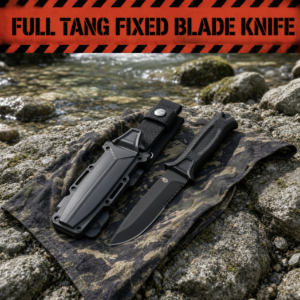
Tactical Gerber StrongArm Knife
$98.99 Add to cart -
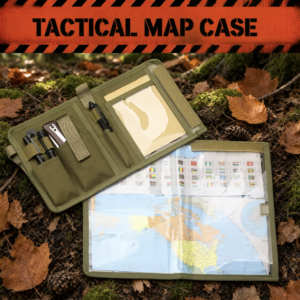
Tactical Map Case
$19.99 Add to cart -
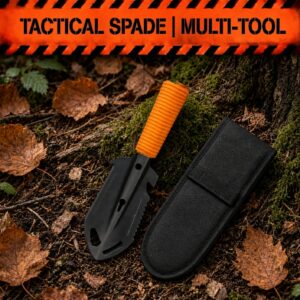
Tactical Multi-Tool Spade for Camping and Survival
$24.99 Add to cart -
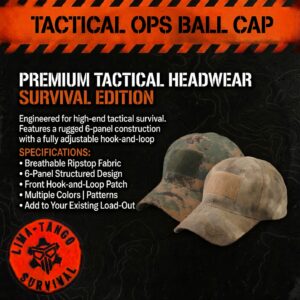
Tactical Operator Ball Cap in Covert Colors
$17.99 Select options This product has multiple variants. The options may be chosen on the product page -
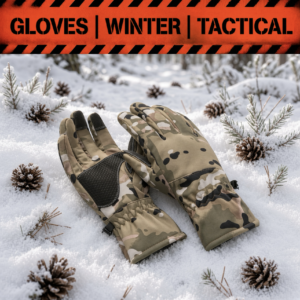
Tactical Winter Gloves for Camping and Survival
$24.99 Select options This product has multiple variants. The options may be chosen on the product page -
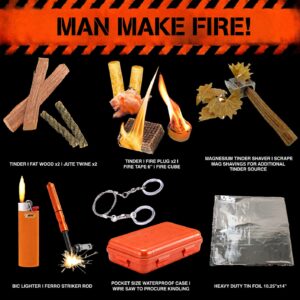
The Fire Starter
$29.99 Add to cart -
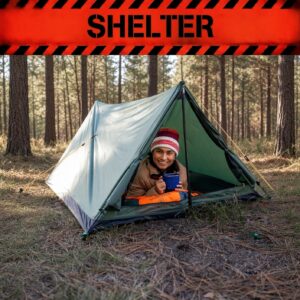
Two-Man Tent | Camping | Stansport Eagle
$49.99 Add to cart -
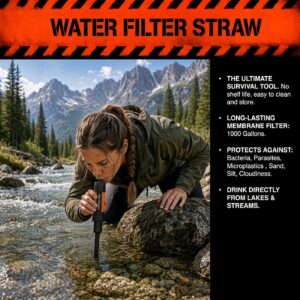
Water Filter Straw
$14.99 Add to cart
Punching Above Their Weight
Although small, survival accessories carry a lot of (metaphorical) weight in real life. In fact, you could probably make a decent survival kit from a dozen of these small disaster prep supplies without adding too much weight to your already heavy pack.
Firestarting kits, unlike lighters, don’t fail in windy and/or rainy weather. Waterproof bags can keep your sensitive stuff safe no matter how wet you get. You can build a respectable shelter just with paracord and shelter gear, while a knife, a multitool, a compass, and a survival guide can keep you on the road for days until you find safety.
Frequently Asked Questions
What are the most essential additions to survival kits?
A pocket-sized survival guide is probably the ultimate small survival accessory, as it contains key survival knowledge. The best disaster prep supplies on the market balance form and function, typically being small and light. Aside from that, a firestarting kit, a pocket knife, and a compass are probably the most useful additions to backpacking gear we have for sale.
What should be in a small survival kit?
A small survival kit, due to its size, should prioritize the essentials – food and water, a first aid kit, and shelter. If you or someone with you needs special medication, like epinephrine, it’s a good idea to add one to your kit.
Shelter doesn’t have to be a whole tent, but you do need some way to stay warm and dry. A hammock, poncho, or bivvy can fold up into a compact, lightweight package for a weatherproof guard against the elements in a pinch. Disaster prep supplies from other sellers are flimsy and fragile, but the shelters and ponchos we keep in our inventory are made of reflective mylar that preserves body heat.
How long can a human survive without shelter?
Human bodies are actually very fragile, and we can die within only three hours in extremely cold or extremely hot environments. This is why emergency shelters are so important. A good way to remember water, food, and shelter needs is the rule of 3: 3 hours without shelter in extreme environments, 3 days without water, and 3 months without food.
How does a firestarter work?
Firestarting kits are disaster prep supplies that consist of flint and steel, which create extremely hot sparks (up to 2,500°F) when dragged across one another. This easily ignites flammable material, such as dry grass.